Brand and design system.
The logo, colors, type and components platinum.dev is built from. Download the files, copy the values, and keep to the rules at the end of each section.

apps/web/app/_landing/landing.cssapps/web/components/pt-logo.tsxapps/web/scripts/build-brand-*.mjsRight-click the logo in the header of any page on this site to copy it as SVG or download the kit.
One mark: a flat square.
The wordmark is the square and PLATINUM set in Obel Mono. Use it wherever it fits. Use the square alone where it does not: avatars, favicons, provider lists.
Black and dark files go on light surfaces, white and light files on dark ones.







Built on one square.
Every measure of the logo is the side of the square. Clear space, gap and letter height all follow from it, so the logo scales as one piece.
- SquareThe side is the type size: 12 px on this site, 48 px in the SVG files.
- GapOne square between the square and the P.
- LettersObel Mono Regular, uppercase, tracked 0.22em, caps centred on the square. Outlined in the files.
- Clear spaceOne square on every side. Nothing else enters it.
- ColorInk #0a0a0a or paper #fafafb, the whole logo in one of them.
Use the files as they are.
Each of these breaks the mark. If a layout seems to need one, change the layout.
- No shadows, glows, gradients or textures on the logo. The metal gradient is for type, never the mark.
- Never place the logo on a busy photo or a mid-tone where neither ink nor paper reads.
- The square is the only mark. The old terminal-prompt icon is retired.
Desktop and phone.
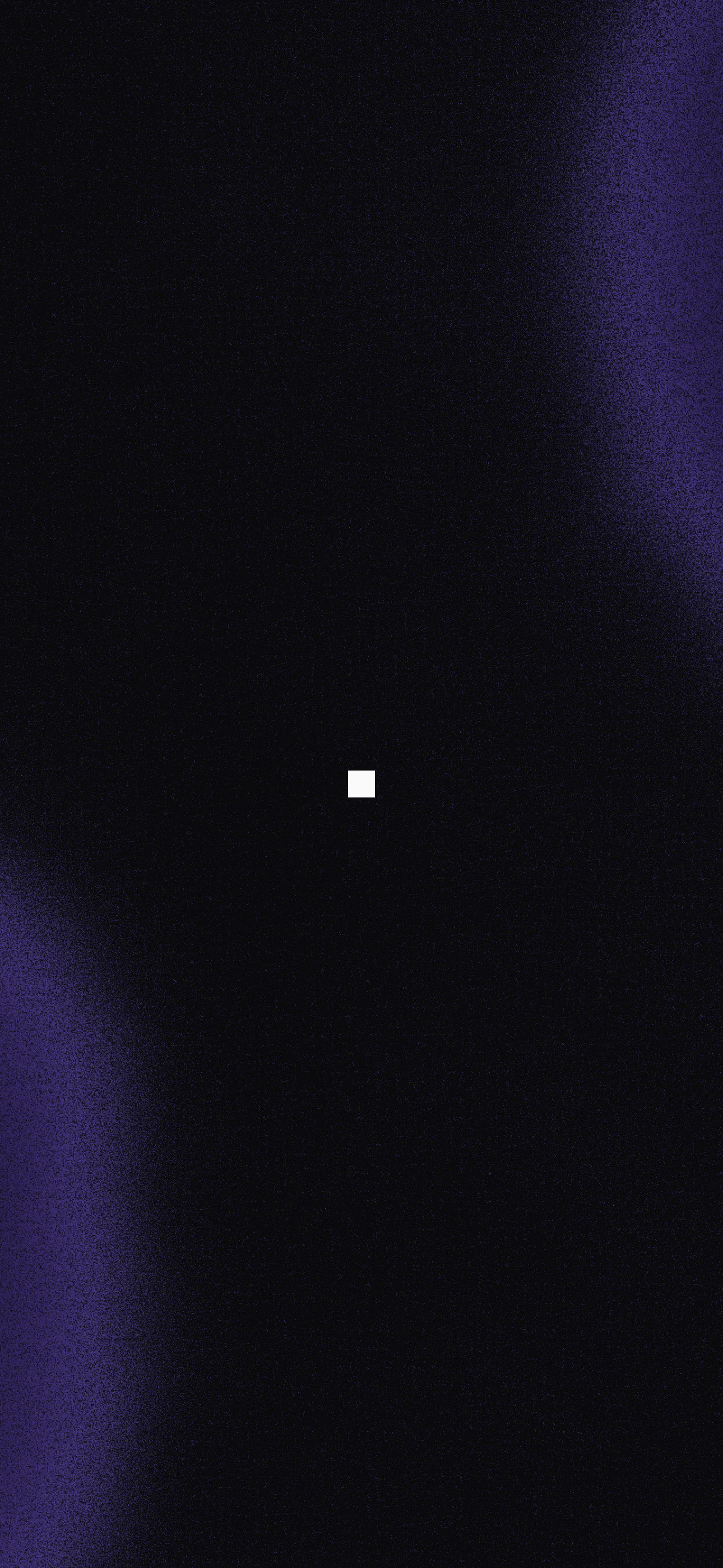
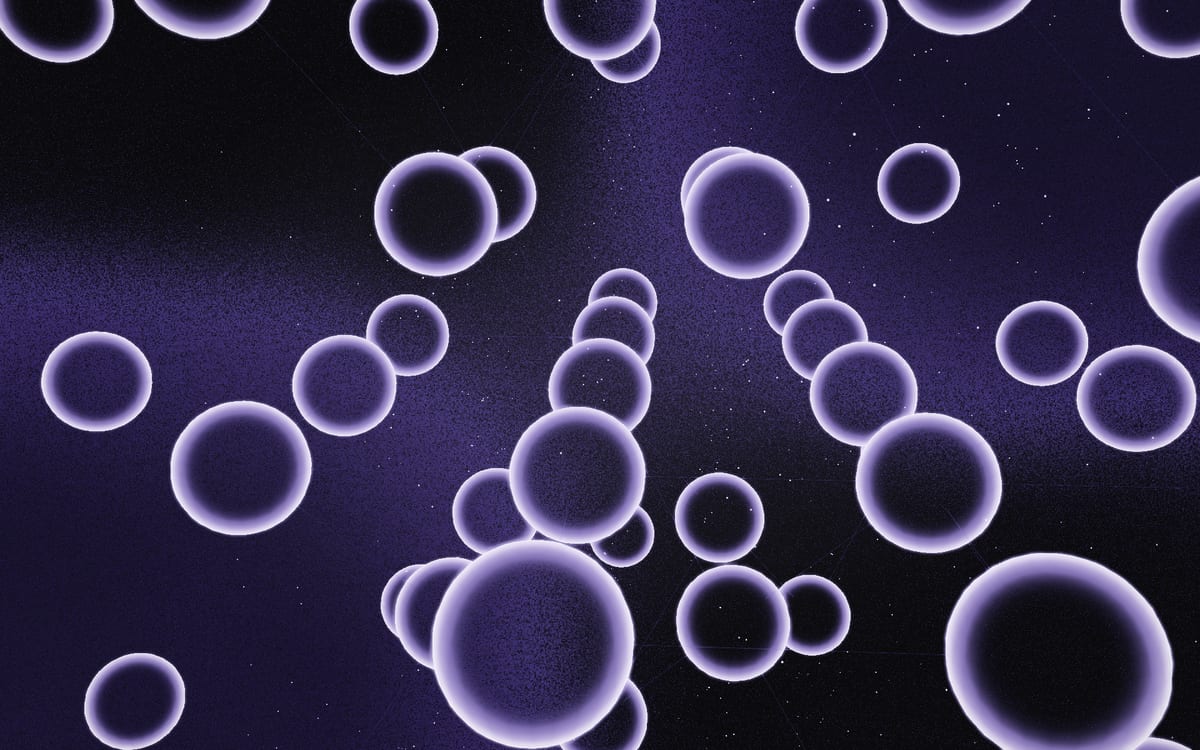
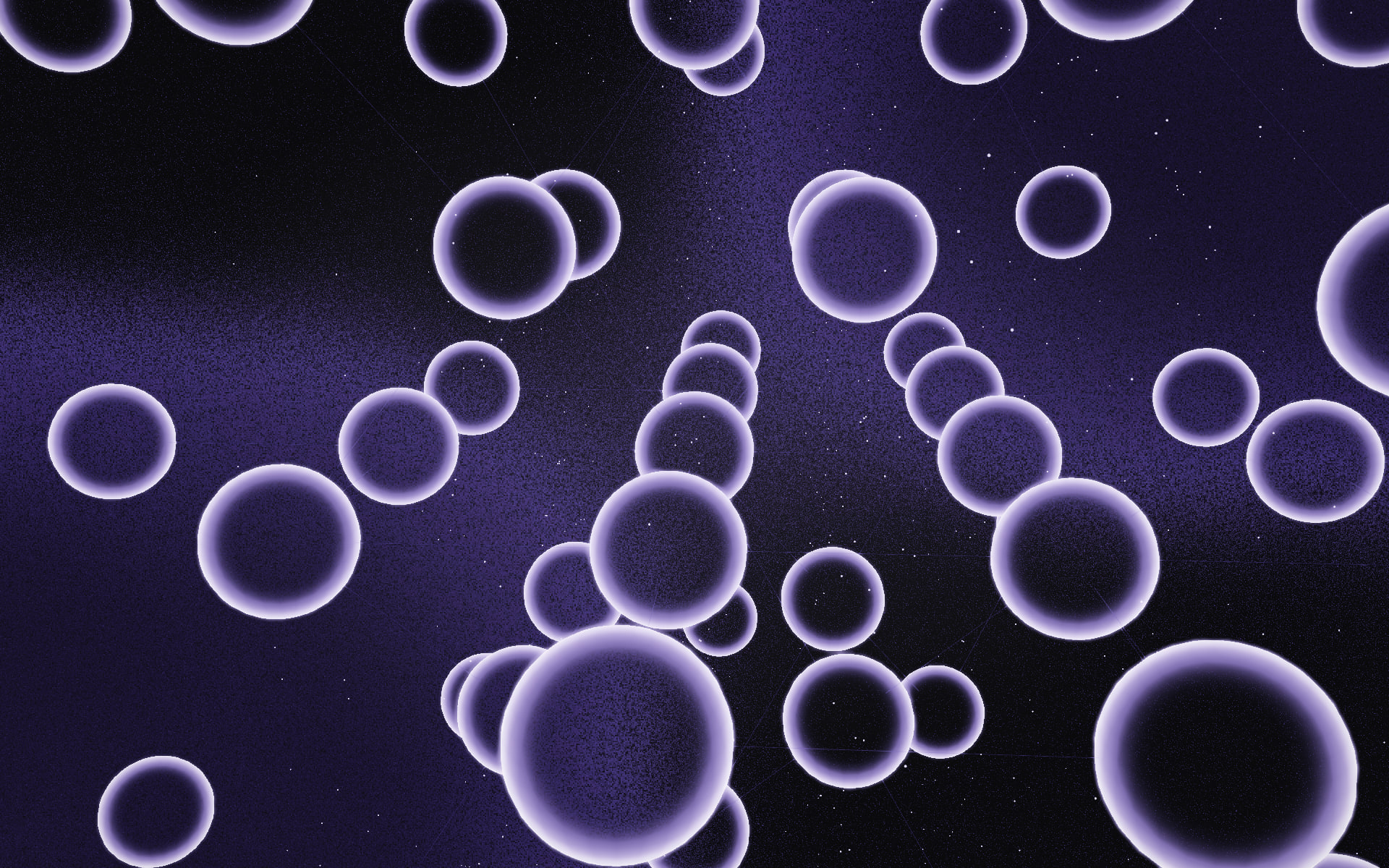
The square on the grounds of the site. The violet ones are rendered from the landing's own shader, frame for frame.
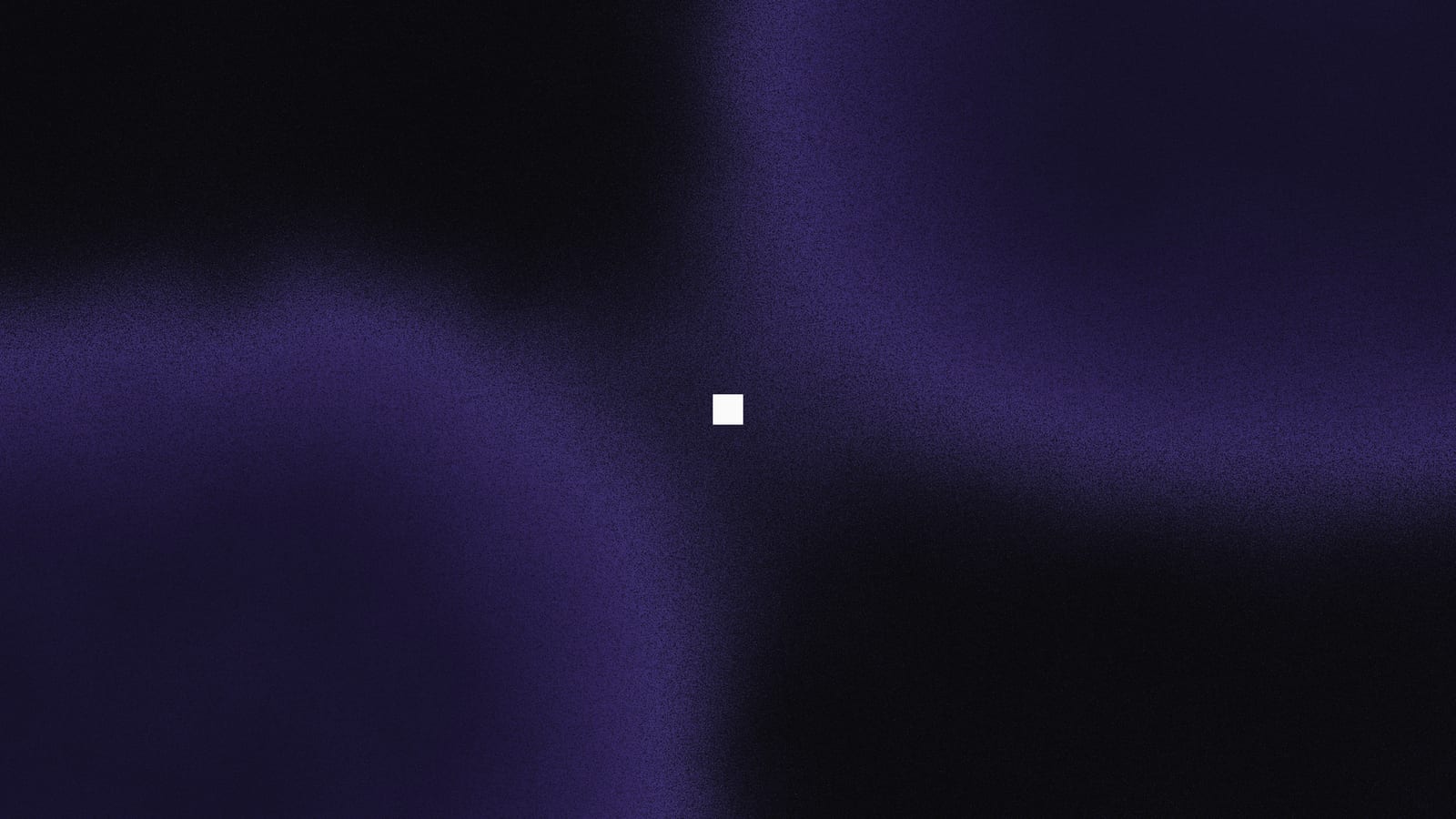
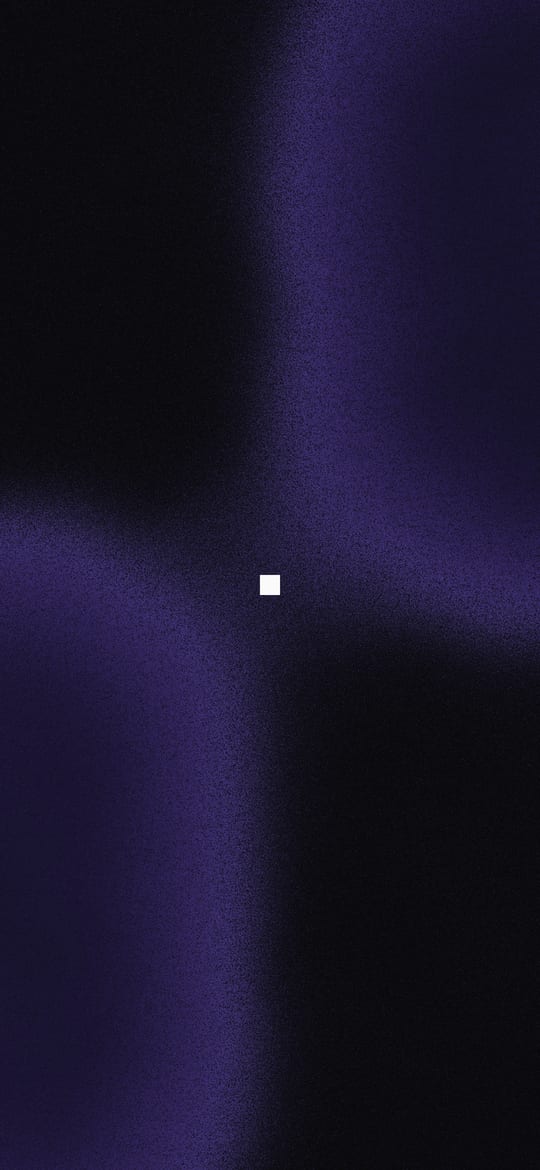
The violet field the landing opens on.
Desktop · 3840×2160 · 3.0 MBPhone · 1290×2796 · 1.3 MB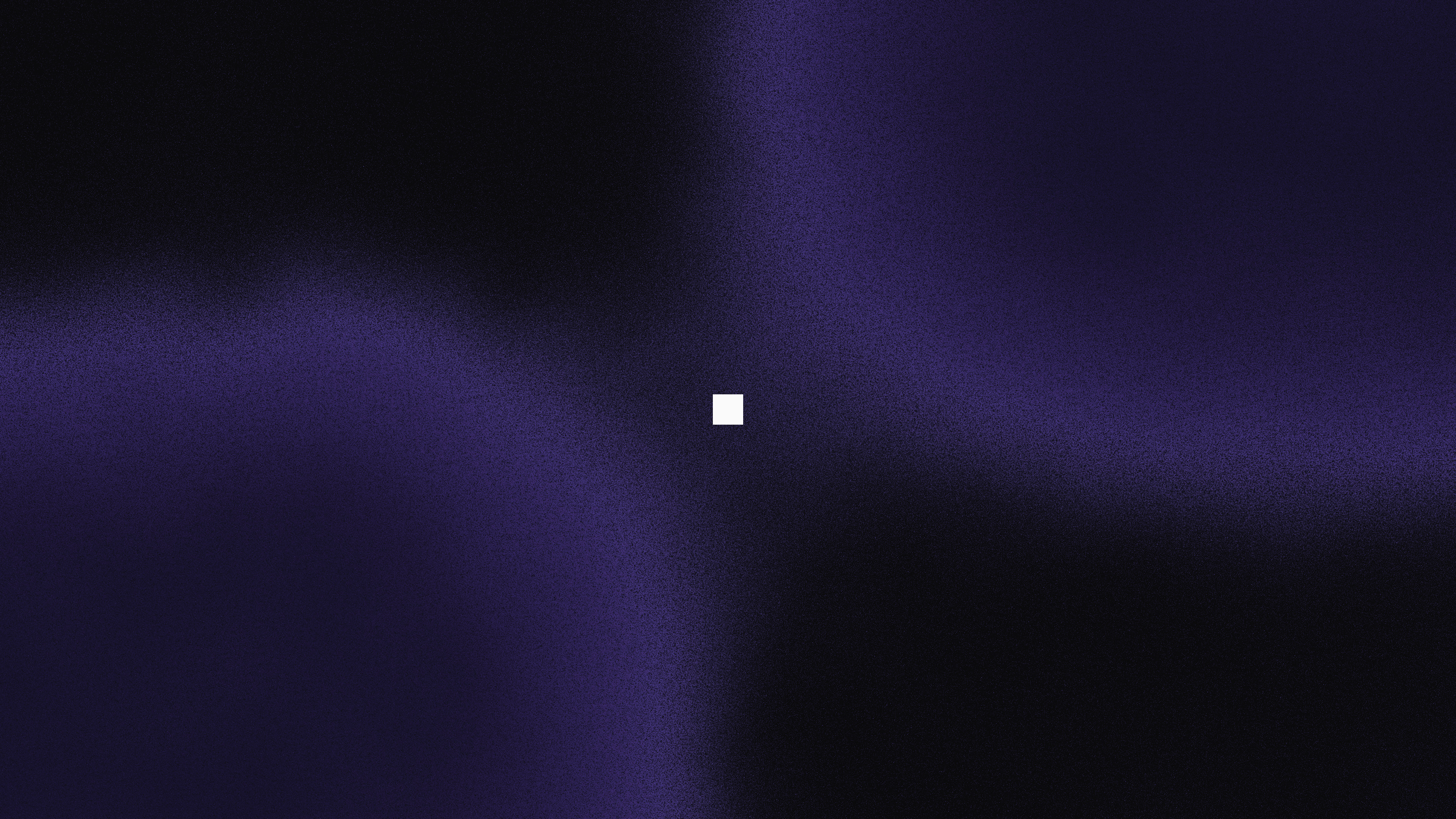
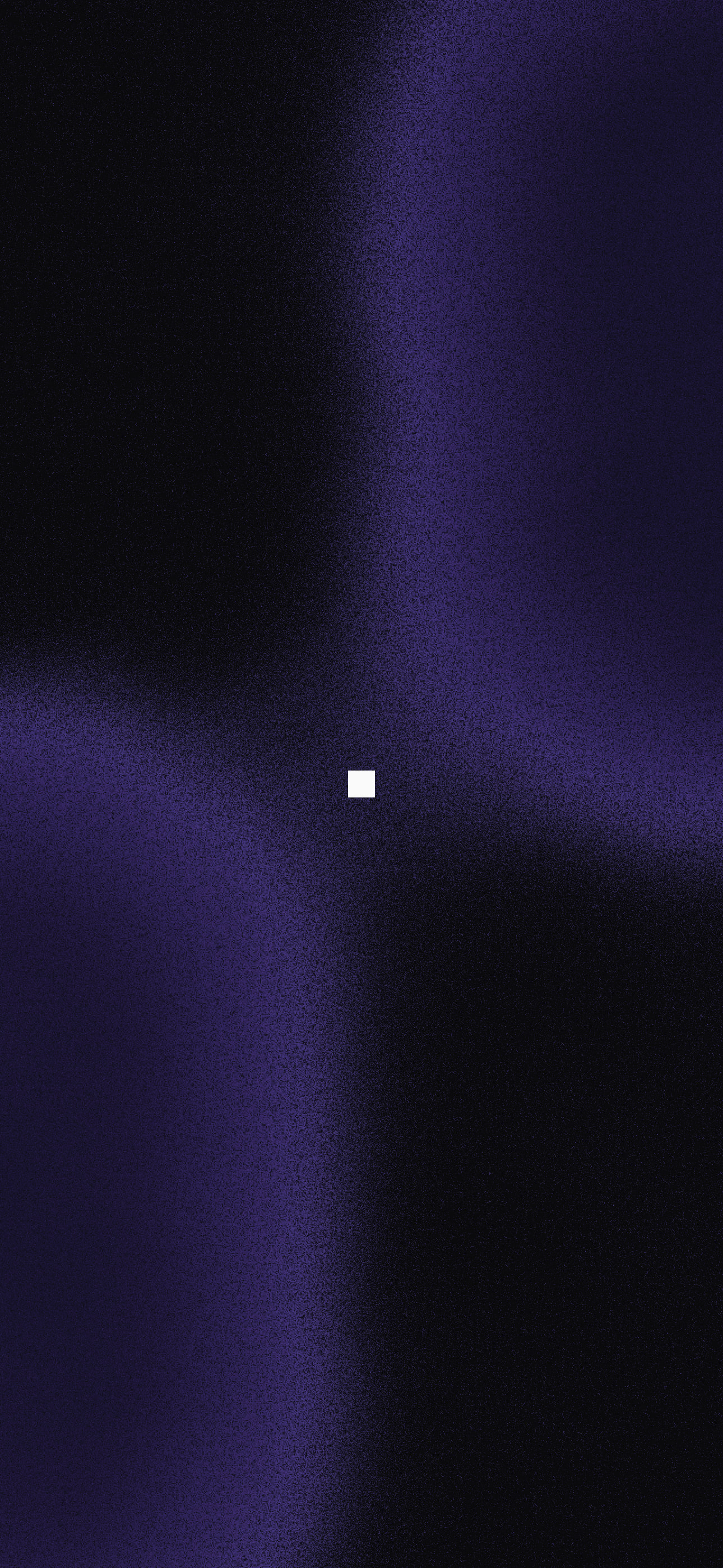
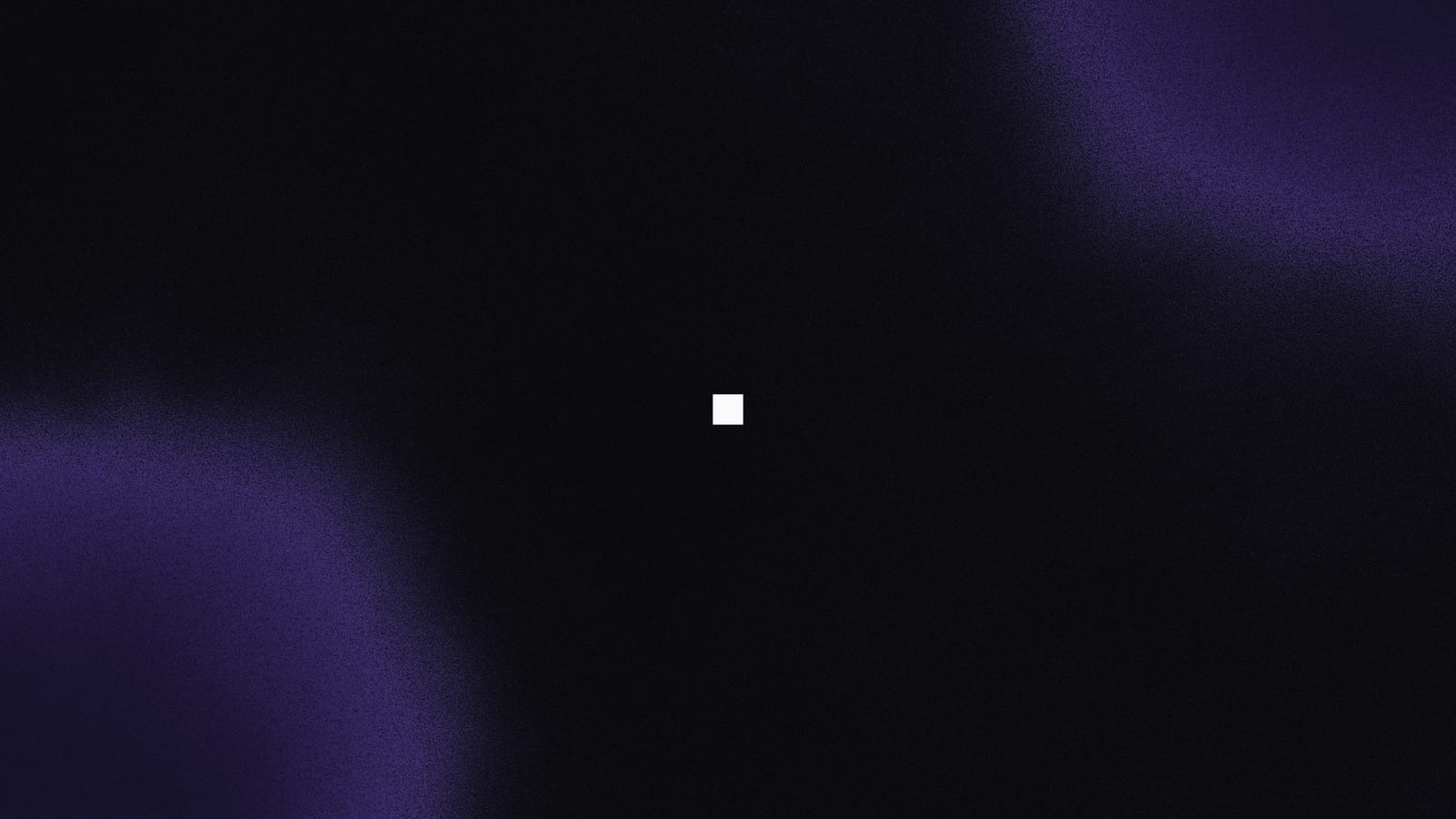
The same field, violet only in two corners.
Desktop · 3840×2160 · 2.7 MBPhone · 1290×2796 · 1.1 MB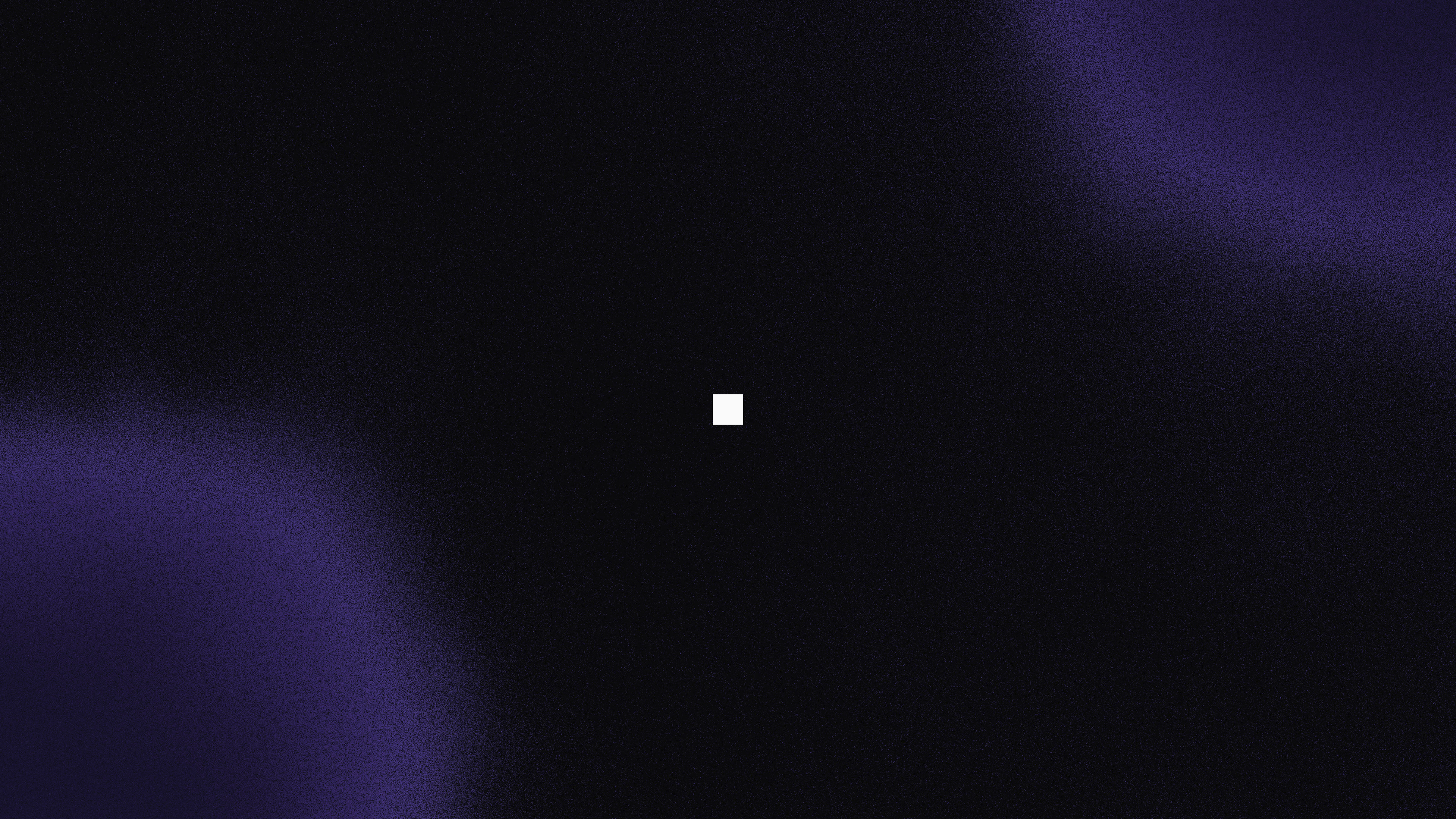


The paper square on ink.
Desktop · 3840×2160 · 8 KBPhone · 1290×2796 · 4 KB


The ink square on paper.
Desktop · 3840×2160 · 8 KBPhone · 1290×2796 · 4 KB

Ink, paper, platinum.
The site is a scale of near-neutral greys with one violet. Dark is the default; the light theme inverts the scale and keeps each step's job. Values below are read from the stylesheet the site ships.
Brand
Violet
Interface scale
The figure after each value is its contrast with the page, --pt-950, in that theme. Text needs 4.5:1, a unit or a label as much as a sentence. --pt-500 is the dimmest tone for text. --pt-600 (3.0:1 dark, 2.6:1 light) and below draw borders and marks, never words.
Code
Mono for the machine, Inter for prose.
Obel Mono sets everything a machine could print: headlines, labels, buttons, numbers, code. Inter sets sentences.
Regular 400 and Medium 500. The wordmark, h1–h3, labels, tabs, buttons, prices, code. typographic.systems/obel-mono
Regular 400 to Semibold 600. Paragraphs, descriptions, card copy, form text. rsms.me/inter
The sandbox cloud for AI agents.
What runs on Platinum.
Small, powerful computers for AI agents. They stop and resume at any time, and bill by the second.
Build your agent cloud around any harness.
pt sandbox create -t pt-base
- Headlines are sentences and end with a period: "Talk to us.", "Start building."
- Uppercase only for labels, tabs and buttons, always tracked 0.12em or more.
- Numbers that line up get
tabular-nums, which also sets them in Mono.
Flat, square, hairline.
Machined metal: sharp corners, one-pixel lines, no shadows on the page. Depth comes from the tonal scale, not from boxes stacked on boxes.
- Corners are square everywhere.
.landing-rootforcesborder-radius: 0on every element. - One frame per artifact: no nested boxes, no floating strips, no cards overlapping cards.
- Dark is the default. Light applies only when the visitor picks it, never from the system setting.
- Hover changes color in 140–160 ms, ease. Content does not move on its own.
The parts, live.
Live, drawn by the site's own classes. Copy a class name from under each one.
npm install -g @platinum-dev/cli
pt init
pt sandbox create -t pt-baseWhat is a sandbox?
Voxels and scenes.
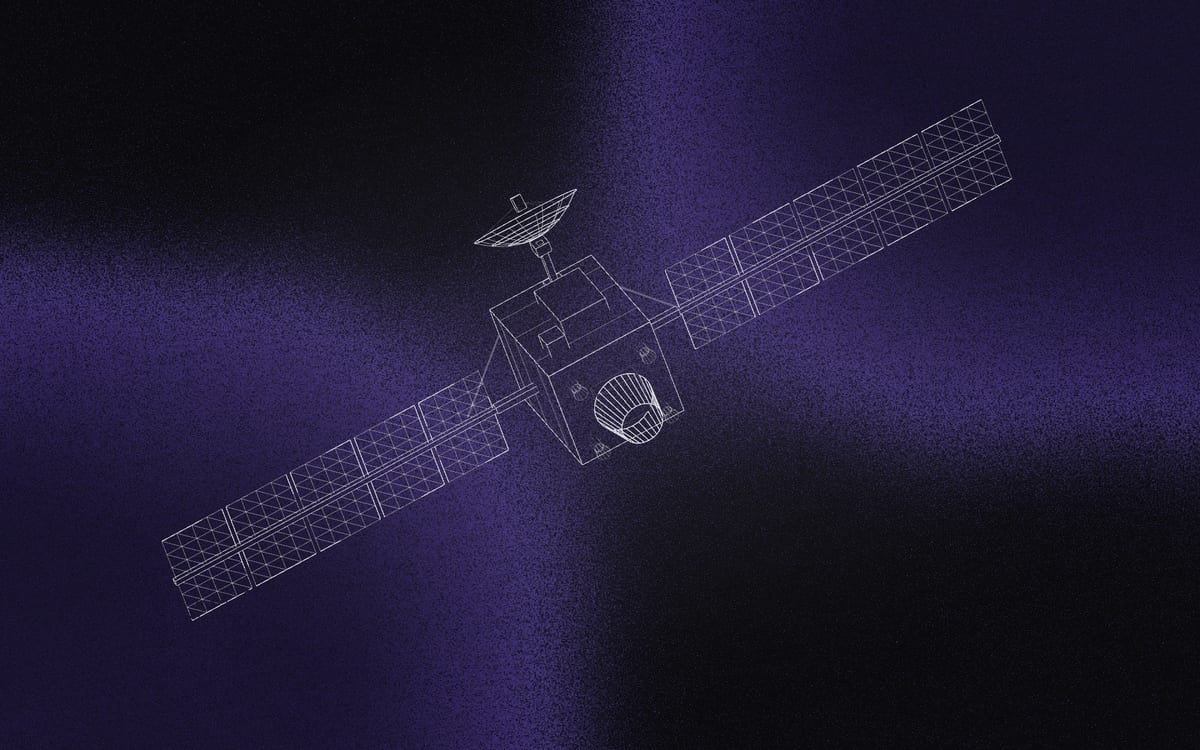
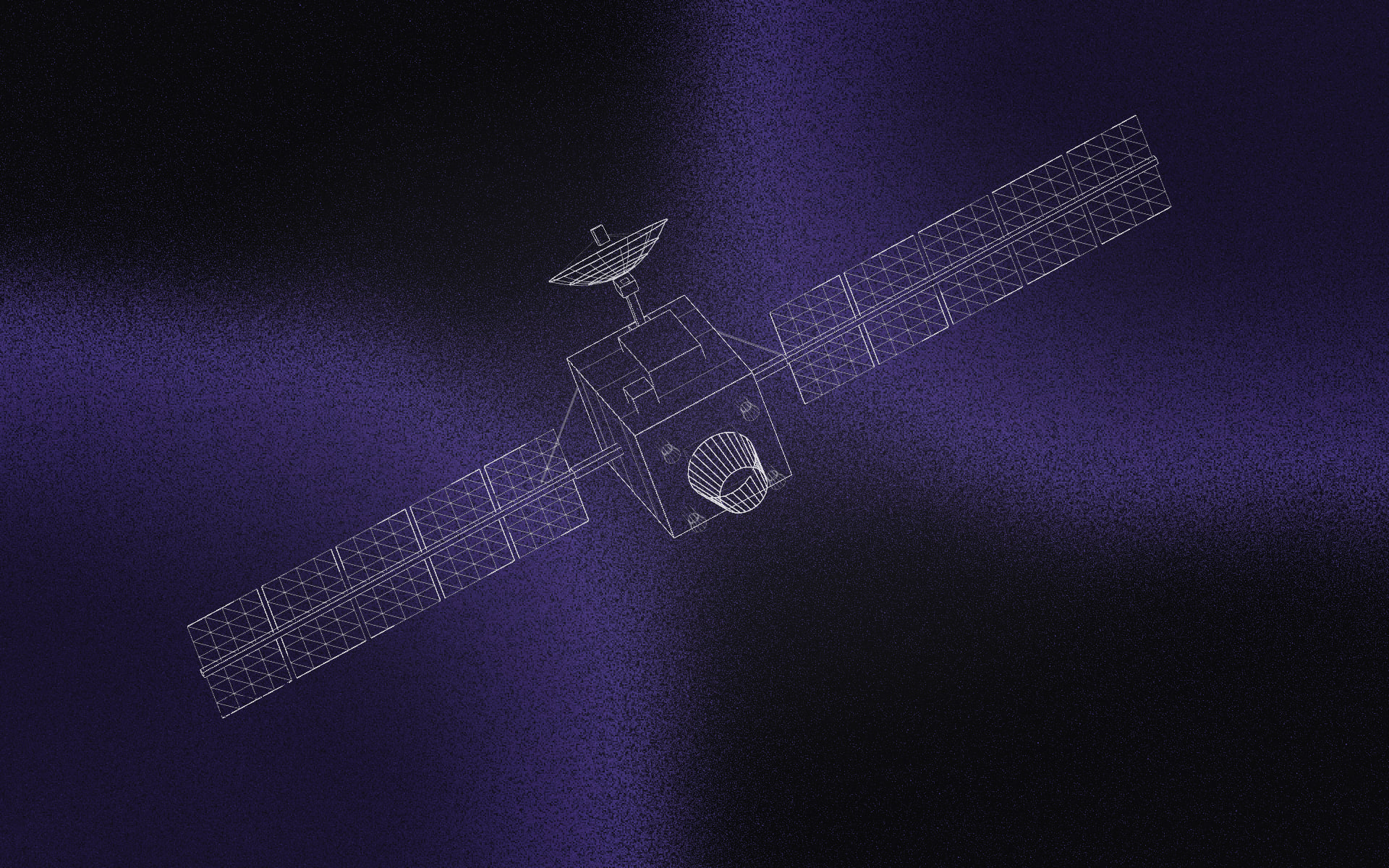
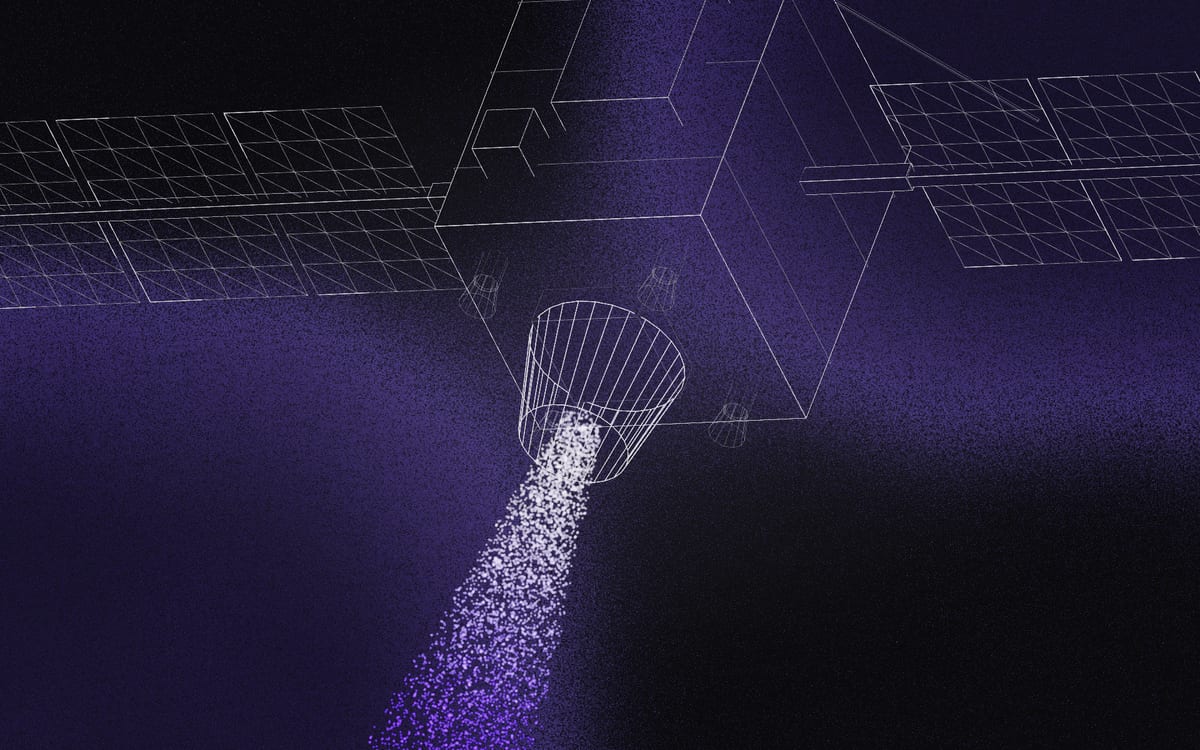
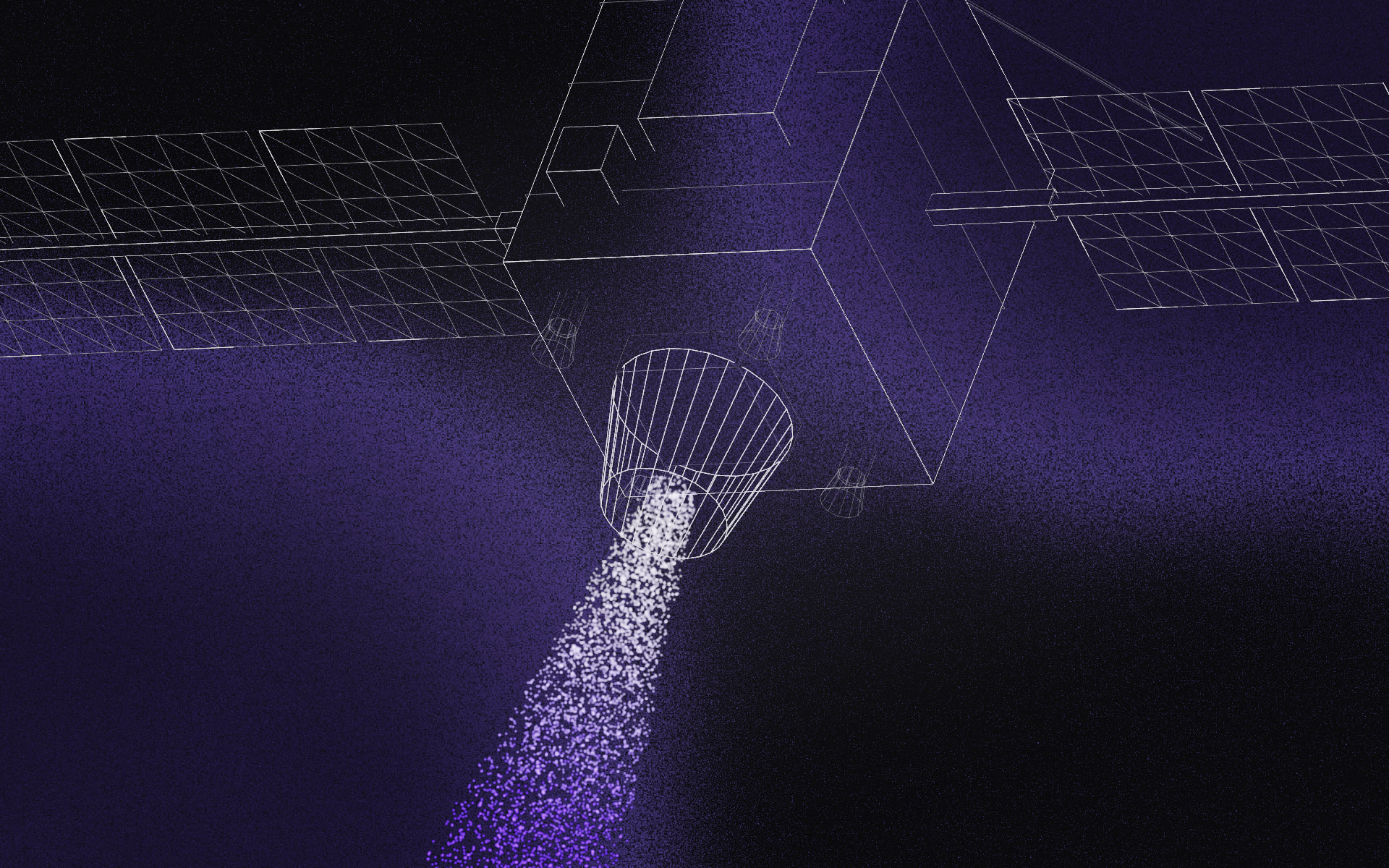
Two kinds of depth. Voxel art is flat SVG drawn in true cubes. The scenes are the landing's WebGL journey, from a satellite down to the Planck length.
Voxel art
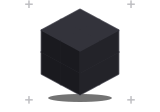
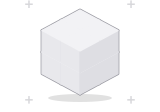

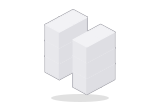
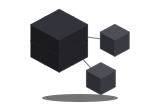
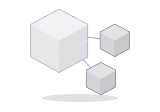
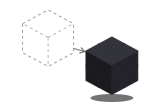
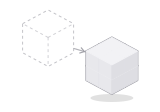
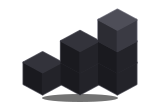
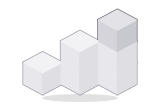
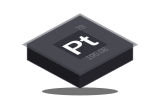
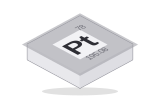
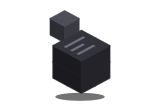
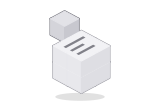
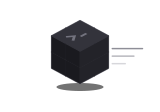
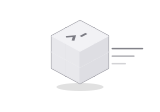
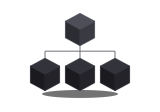
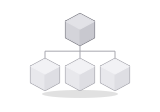
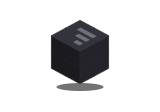
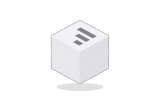
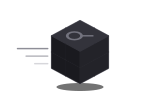
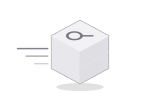
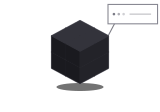
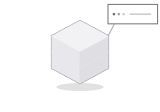
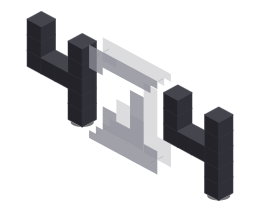
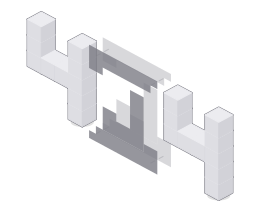
- True cubes: the vertical edge is as long as the horizontal ones (14.8 against 13 and 7), or the cubes read squashed.
- A filled, fat-stroked silhouette sits under the faces, so only the outer contour shows. A stroke-only underlay reads as wireframe.
- Three face tints and a brighter accent set, from the
--vox-*tokens. Never violet. - One scale per set: every use-case scene shares one cube size.
- Each piece brightens one step on hover in its card. The 404 stands alone, so it rests in the bright tones.
- The SVG files are the same markup with the tones written in: dark for dark grounds, light for light ones.
Scenes
How they are built
Every scene is code in app/_landing/journey/, drawn live; nothing is a video or a baked model.
- PipelineOne WebGL renderer and
SceneManager. Each scene renders to a half-float target with 4× MSAA; neighbouring bands crossfade; a bright pass and two blur passes make the bloom; the present pass applies ACES, sRGB and grain and writes coverage to alpha, so the canvas is transparent over the violet field (Paper ShadersGrainGradient). On this page three.js loads only when the viewer below is turned on. - SatelliteLanding, bands 1 and 2 (“Isolation, by design.”, “Spawned in milliseconds.”). An isometric CAD wireframe, platinum edges over dark fills: a multi-module bus, trussed solar wings, a high-gain dish, antennae and a gridded ion engine. Scrolling freezes the spin, turns the engine to the camera and dollies in, and the engine lights: violet grid, chamber glow, plume. Follows the mouse.
- Catalyst latticeLanding, band 3 (“Platinum, the catalyst.”). An open platinum crystal: dark spheres with a violet Fresnel rim, faint bonds, and bright ion streaks through the channels.
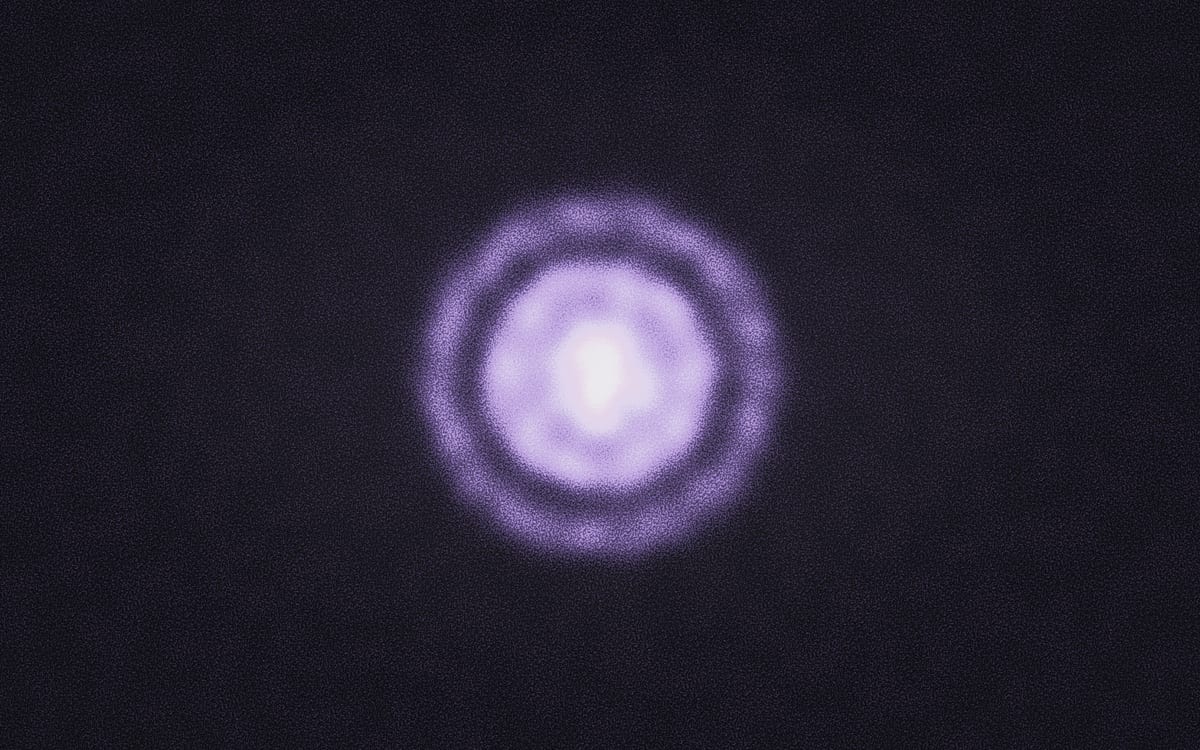
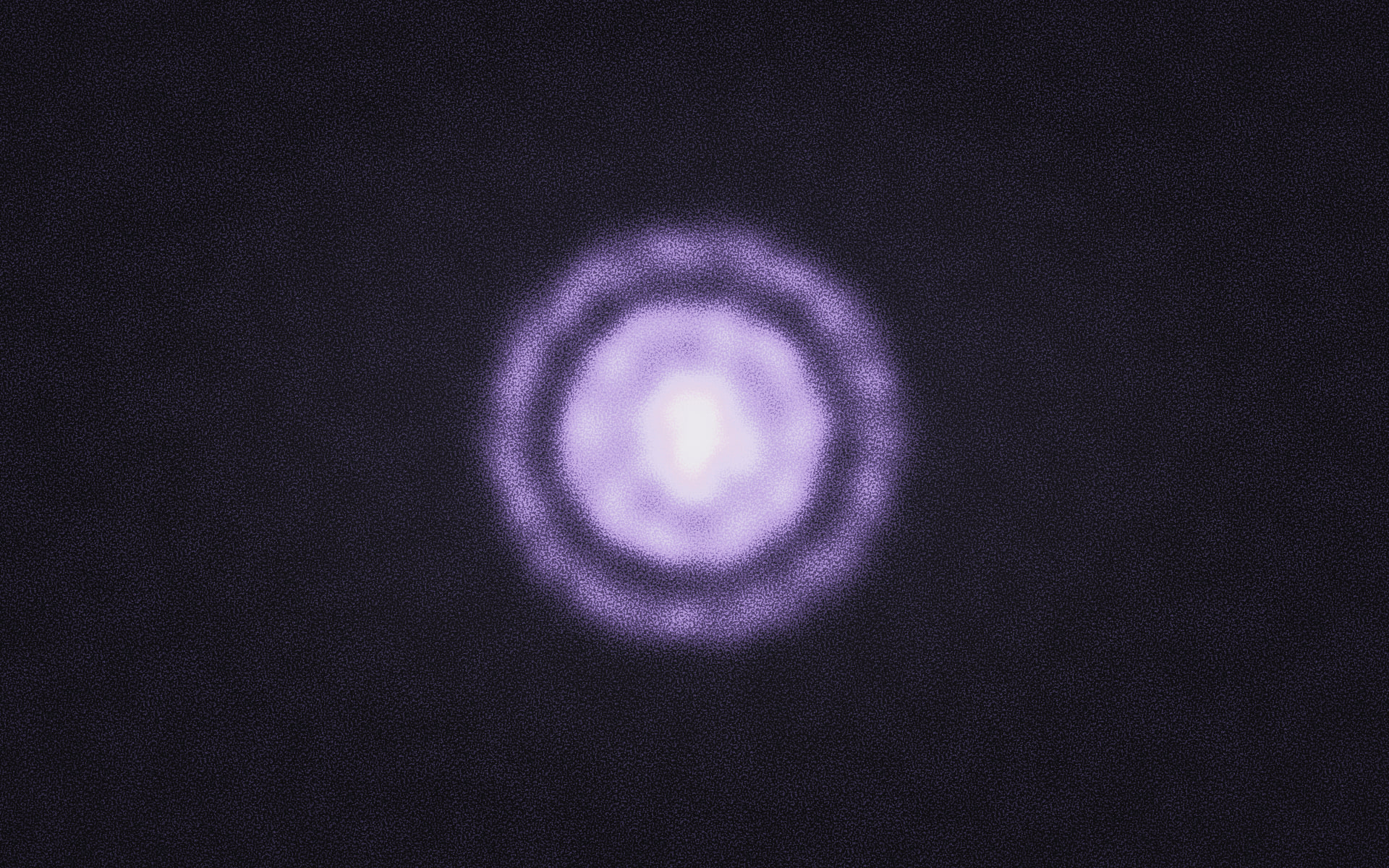
- Atomic latticeLanding, band 4 (“Atomicity, guaranteed.”). One hydrogen atom from a single shader on a plane: a noisy radial electron density mapped through the violet ramp, with grain in the density so the speckle is coloured. The shells breathe; the field clears to black around it.
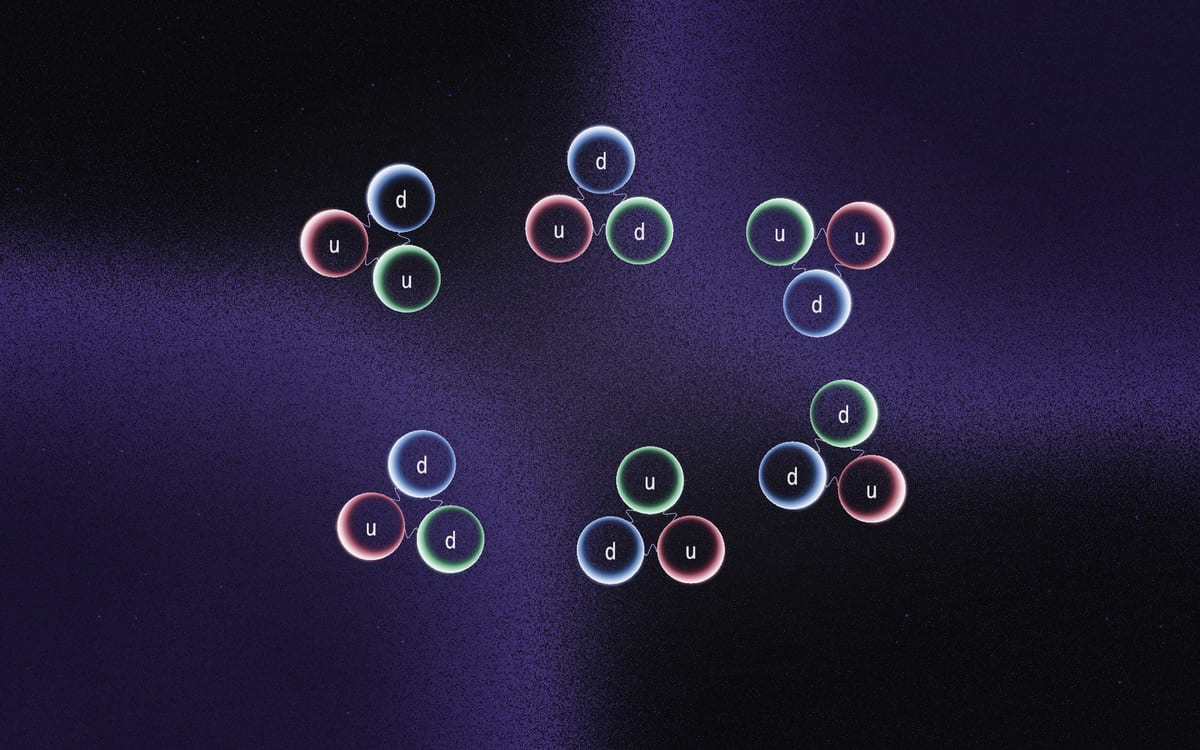
- Quark confinementLanding, band 5 (“Contained at the boundary.”). A 2D physics simulation, head-on: quarks and antiquarks as glossy balls marked u and d, bound by gluon springs into baryons and mesons. A click injects a quark–antiquark pair; a pair that meets annihilates.
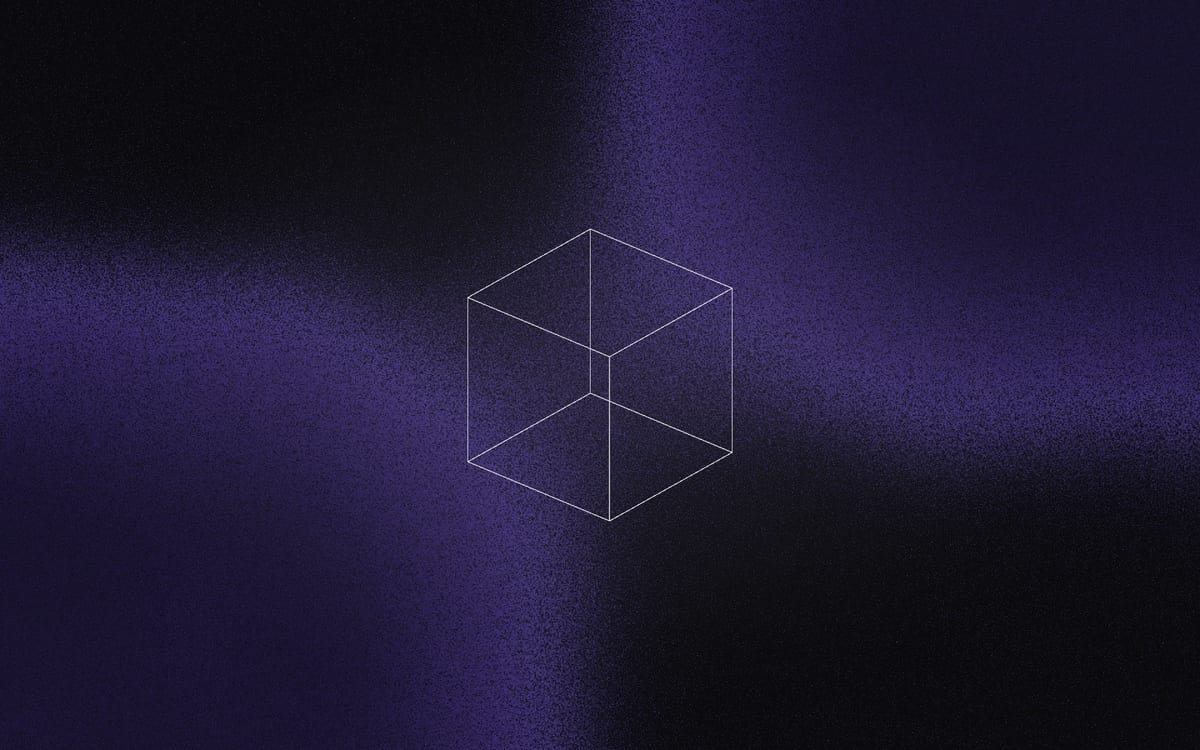
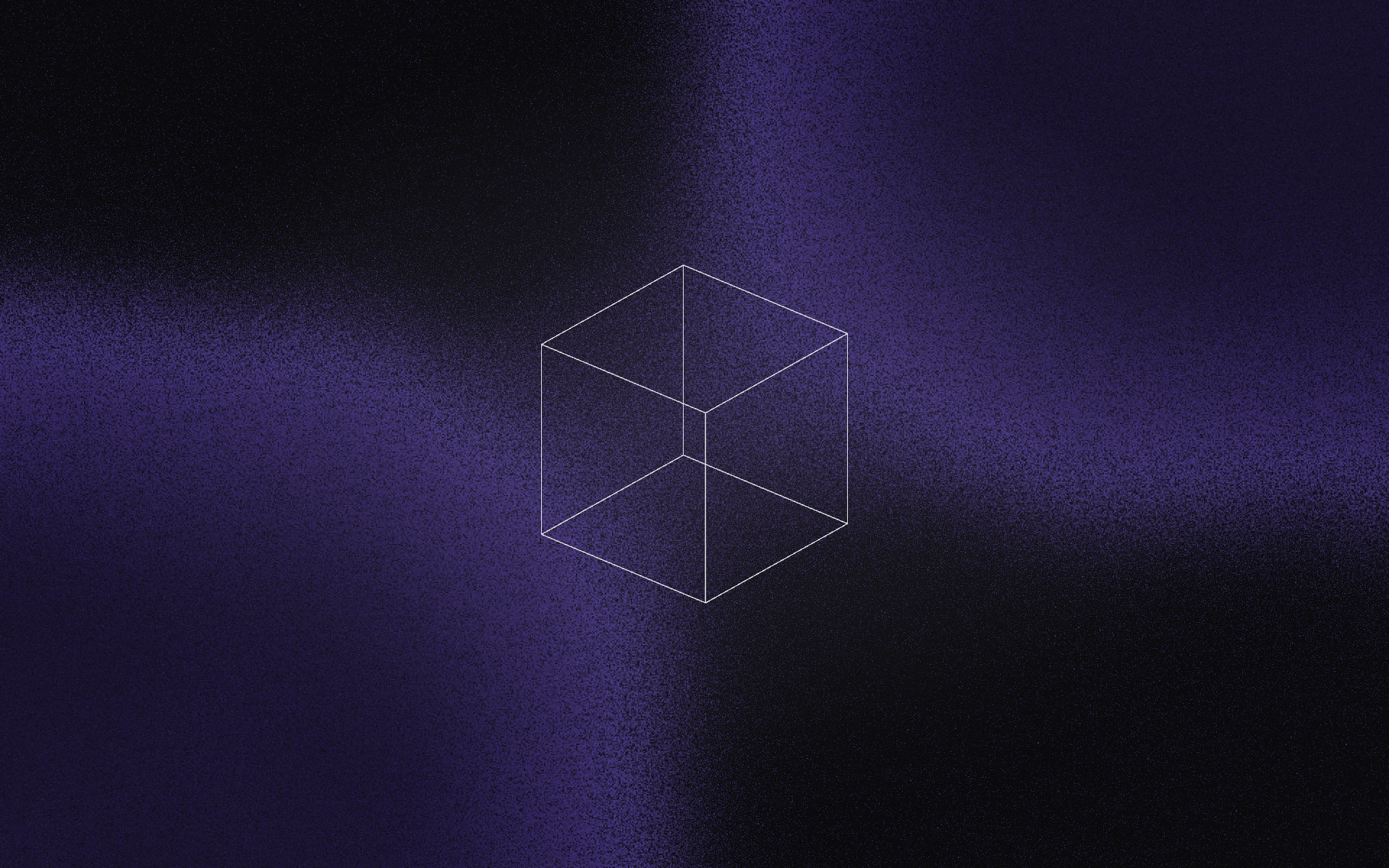
- Planck foam and cubeLanding, band 6 (“Nothing left to divide.”, “Reduced to first principles.”). A 2D foam lattice coarsens to one square, which becomes the front face of a wireframe cube that then turns. An orthographic camera keeps the hand-off seamless.
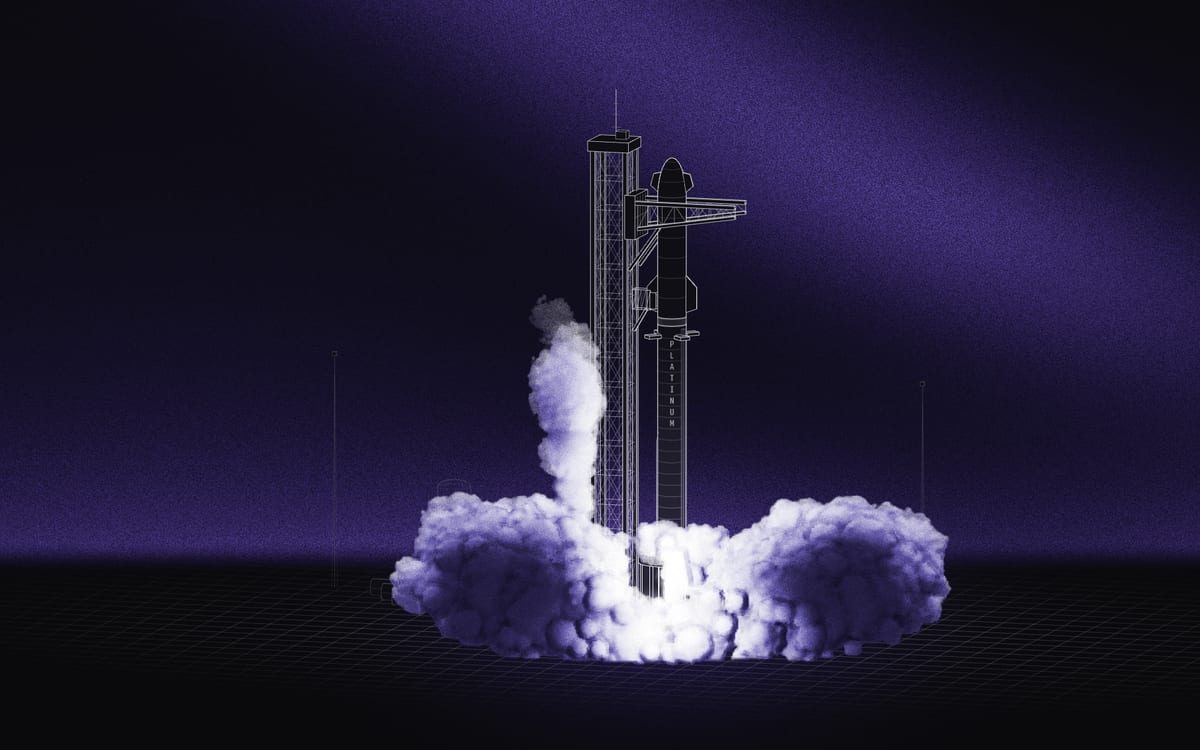
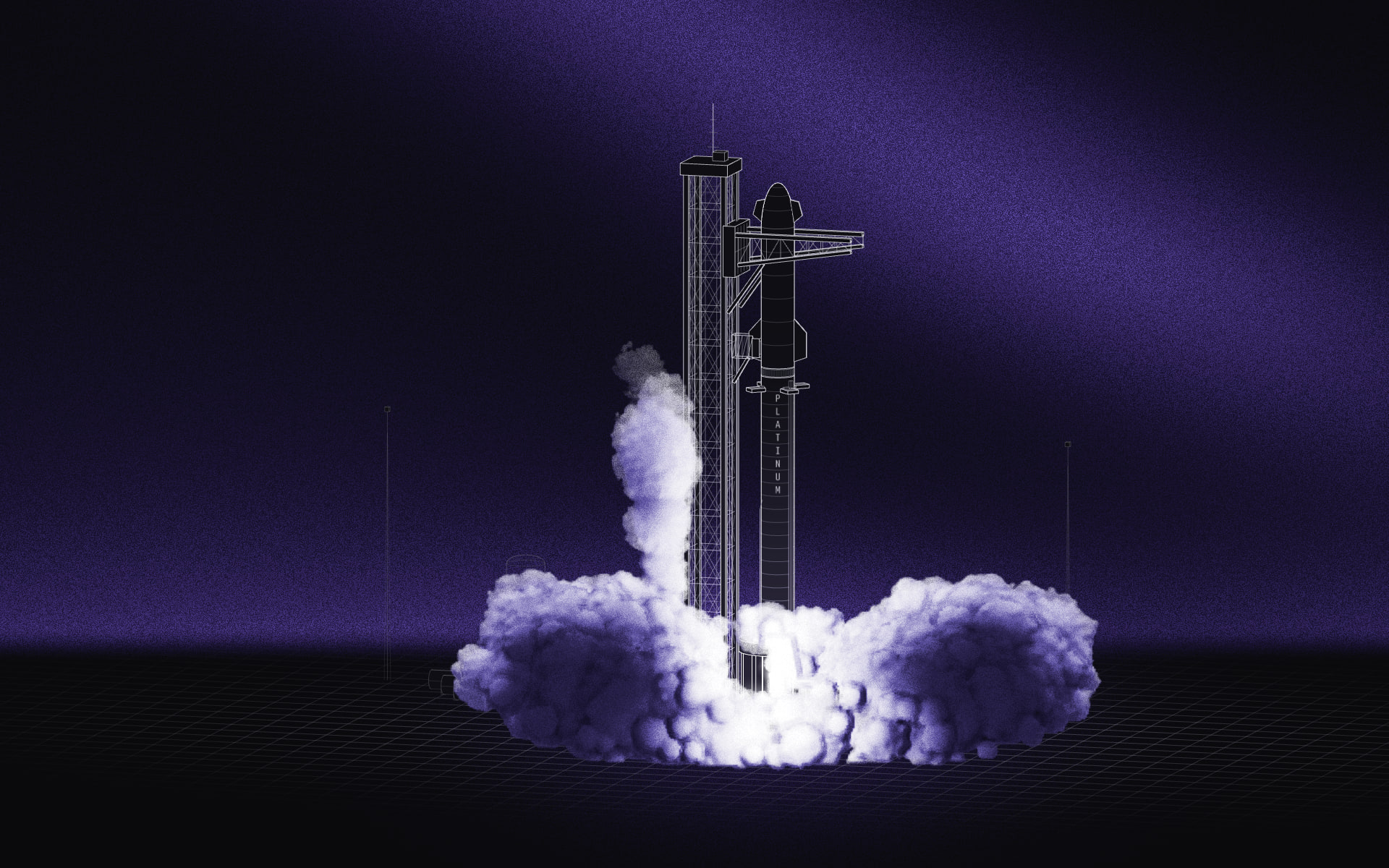
- Launch towerThe sign-in screen. Raw WebGL2, no three.js: a CAD-wireframe tower and stack with PLATINUM stencilled upright on the booster, over one exhaust cloud of 320 puffs rolling on a vortex ring. It lifts off on sign-in. Capped at 30 fps; without float render targets it is skipped.
- Voxel artFeatures, use cases and the 404. Flat SVG from
app/_landing/feature-art.tsx, true isometric cubes in the--vox-*tones; no WebGL.
Live
Off: the render. Turning it on loads three.js (146 KB) and opens one WebGL context.
- The scenes are decoration. A browser without WebGL gets the render, never an error.
- Reduce motion holds every scene still. It moves only with the scroll, or with Depth here.
- The light theme shows the scenes inverted, as engraving on paper. The launch tower stays dark.
- The field is violet and so is the glow. Words on a scene are platinum, never violet.
Say it plainly.
The product is Platinum. platinum.dev is its address. In a sentence it is Platinum, not PLATINUM: the capitals belong to the wordmark.
Platinum is the sandbox cloud for AI agents.
Platinum is the sandbox cloud for AI agents: small, powerful computers that stop and resume at any time and bill by the second. It is built by Kortix.
- Short sentences, active voice, present tense. One idea per sentence.
- State numbers as published. Speed claims follow the status page, not a best run.